
Pink Champagne Script Font Free Download
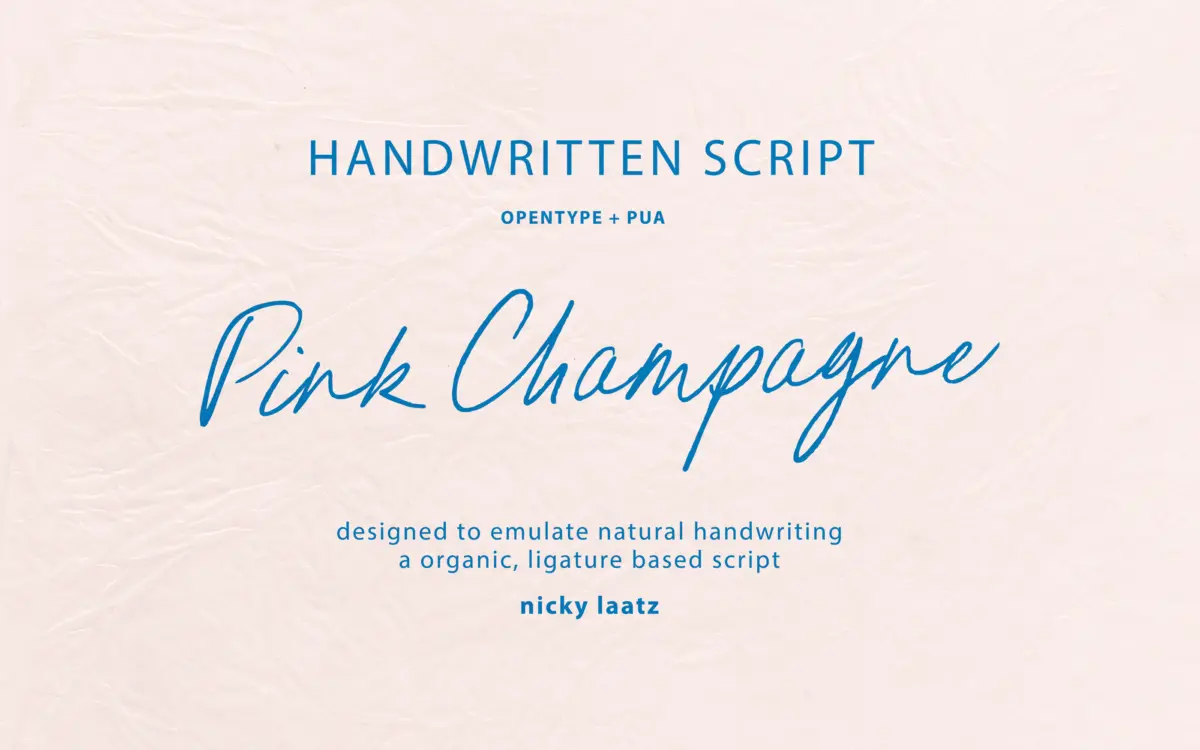
Is Pink Champagne Script free to download?
Pink Champagne Script is a commercial font sold on Creative Market, so the full version needs a paid license. Get it from the official listing: Pink Champagne Script font download.
Need something free? These script fonts from Google Fonts are free for personal and commercial use:
Design style
Pink Champagne Script sits in the loose, everyday handwriting corner of the script category rather than the formal calligraphic one. The strokes carry a slightly inky, uneven edge, as if drawn with a worn felt-tip rather than a pointed pen. There’s no dramatic thick-thin contrast here; the weight stays fairly consistent through each letter, which is what gives it that casual, dashed-off quality rather than the poised swing of a formal wedding script.
The wobble in the outlines is deliberate and reads as handmade rather than sloppy, but it does mean the font works best at a size where that texture is visible and intentional, not shrunk down to where it just looks fuzzy. Letters lean forward gently and connect with a loose, unforced rhythm — this isn’t a script built around perfect continuous joins, and that’s part of its charm. It reads more like a note scrawled quickly than an invitation lettered carefully.
Character set and features
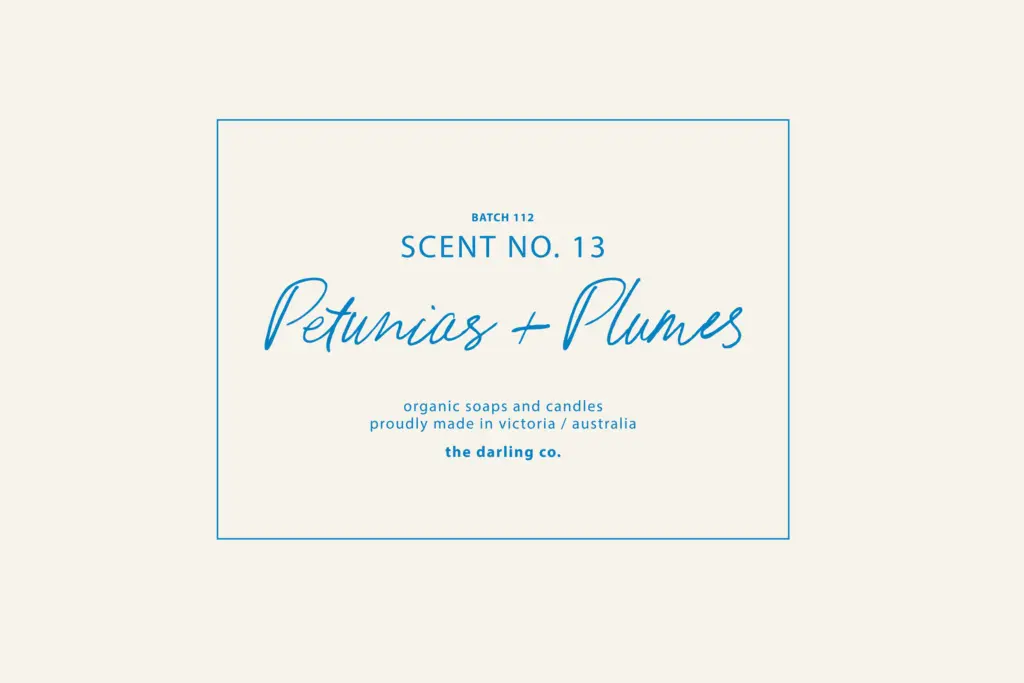
The face leans on OpenType ligatures to soften the transitions between letter pairs and push the handwriting illusion further. These need to be switched on in software that supports OpenType features — Illustrator, InDesign, Photoshop with the right settings — and the seller notes you can toggle specific pairs on or off if the automatic result overdoes it in places. That level of control is useful, because ligature-heavy scripts can occasionally overreach and start looking mannered instead of natural.
For users working outside OpenType-aware apps, including Canva, the font has been PUA encoded, with a help file included to walk through accessing the extra characters. That’s a genuinely practical addition given how much design work now happens in Canva rather than desktop layout software, and it removes what is usually the biggest frustration with script fonts bought for non-professional workflows. Windows and Mac users without OpenType support can still reach the alternates through Character Map or Font Book, which is more manual but workable.
Use cases
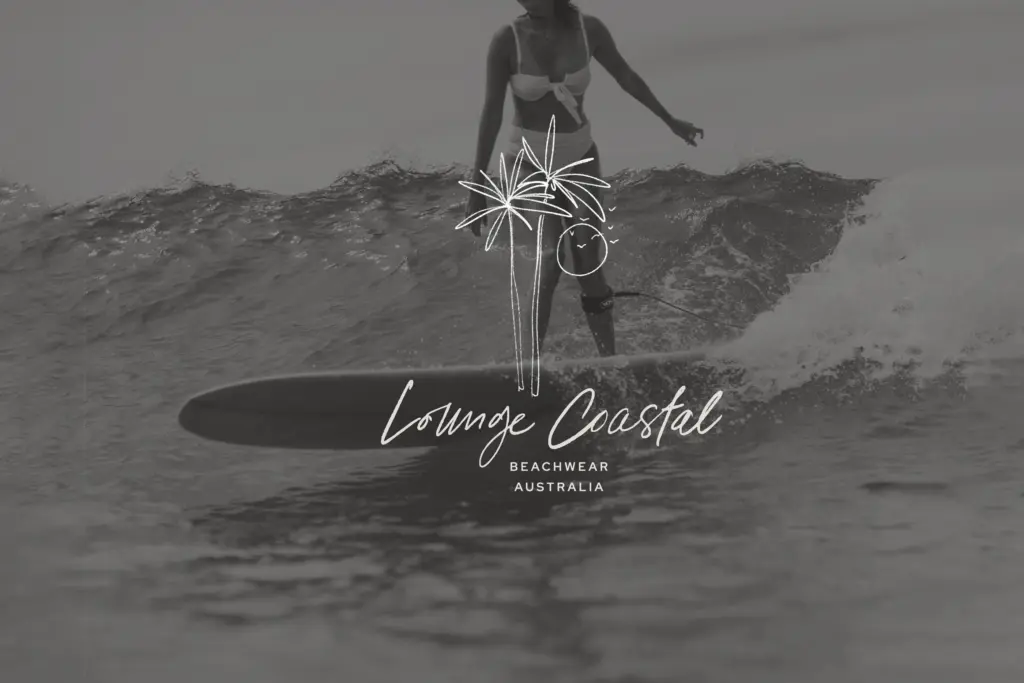
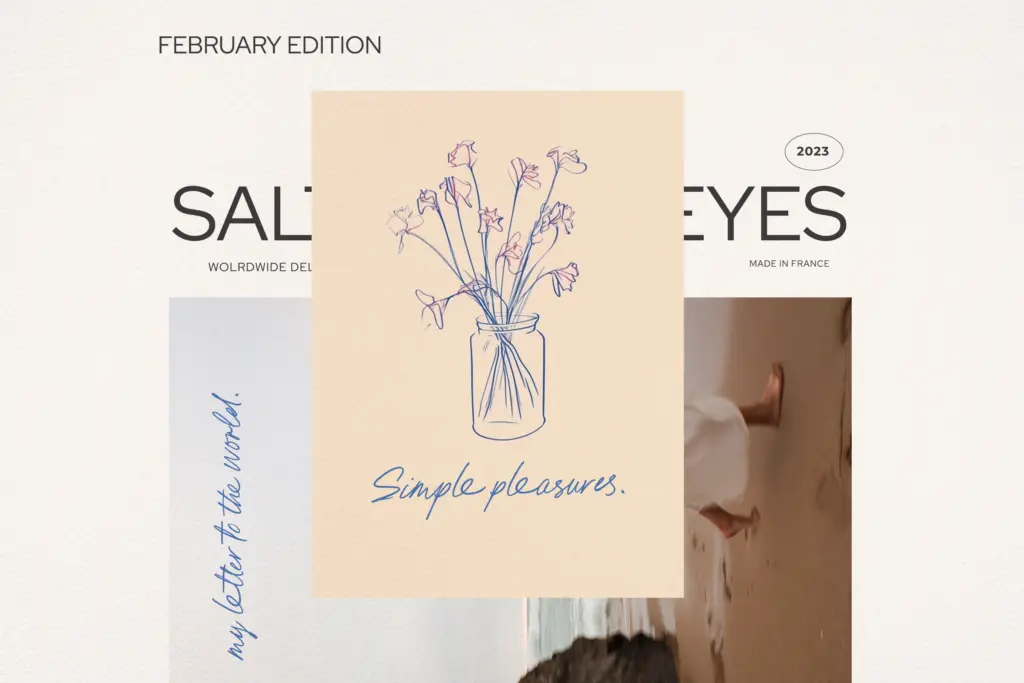
This is a font for short bursts of text rather than paragraphs: greeting card messages, gift tags, labels, quote graphics, wedding invitation wording, notes on packaging. The casual, handwritten wobble suits anything that wants to feel personal or organic — think small-batch product labels, floral or lifestyle branding, or a line of text on a social graphic that needs to feel like a handwritten aside rather than a headline.
It’s less suited to anything requiring a highly legible or formal tone, or to long-form use where the irregular strokes would start to tire the eye. As the seller suggests, it works best paired with a plain sans serif or serif for supporting text — the script is not built to carry body copy, structure, or dense information on its own. Logo use is plausible for feminine or lifestyle-oriented brands, but the informality means it won’t suit anything that needs to read as authoritative or corporate. Treat it as an accent voice, not the whole conversation.
What we liked, and what we didn’t
Strengths
- Ligature pairs can be toggled individually rather than forced as a block
- PUA encoding with an included help file makes it usable in Canva without OpenType support
- The inky, uneven stroke edges give it a genuinely handmade feel rather than a generic script look
Trade-offs
- The consistent weight and lack of contrast make it feel casual rather than distinctive at larger display sizes
- The deliberate wobble can start to look messy rather than authentic at small sizes
Pink Champagne Script is a solid, unpretentious handwritten script best suited to short bursts of text — cards, labels, quotes. It won't dazzle as a standalone display face, but the ligature control and Canva-friendly encoding make it easy to actually use, which counts for a lot in this category.

Tmfonts writes independent reviews of typefaces: what each font does well, where it falls short, what it suits, and where it is sold.